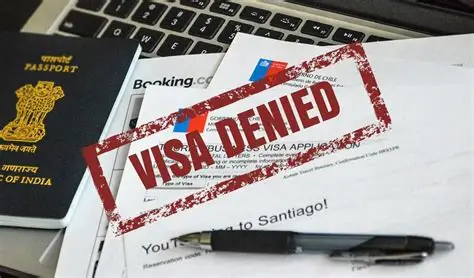
Visa Denial & Appeal Processes: What To Do If Your Visa is Refused
Understanding Why Visas Get Denied
Visa applications can be refused for many reasons. Some common ones include:
Missing or incomplete documentation
Insufficient proof of financial means
Not convincing the case officer of your intention (e.g. risk of overstaying)
Weak ties to your home country (employment, family, assets)
Criminal record or security issues
Errors or discrepancies in your application (misleading info, inconsistency)
Health or character issues depending on country requirements
Often, the refusal letter (or notice) will state why the visa was denied (or which law/ground was applied). It may also mention whether you can appeal, review, or reapply.
Types of Refusal Notices & What They Mean
Simple Refusal: Your visa is denied, and no appeal or review is possible. You are told the reason and you may reapply.
Refusal with Administrative / Processing Hassles: Sometimes the refusal is due to missing documents or needing additional checks. These may allow you to supply extra materials.
Refusal but Eligible for Waiver or Review: In some jurisdictions there are options to appeal or request an administrative review if you believe the decision was wrong.
What Steps to Take Immediately After a Refusal
Read the Refusal Letter Carefully
Note the exact reason(s) for refusal.
Check if it mentions a legal ground (or section) of law.
Check whether it states that you have the right to appeal or review, and the deadline.
Assess Whether an Appeal / Review is Available
Not all visa types have the right to appeal. Some countries limit appeals/reviews for certain visa categories. For example, in the UK many “Visitor Visas” do not have a right of appeal.
Davidson Morris
+1
In some cases, you might be able to request a reconsideration or review instead of a full appeal.
GOV.UK
+2
website
+2
Decide Whether to Appeal or Reapply
If the refusal was because of a correctable issue (missing document, insufficient funds, etc.), an appeal or review may work well.
If no appeal is permitted, then reapplying is often the only option — but be sure to strengthen your application.
Gather New Evidence / Fix Weaknesses
Address the reason for refusal directly. If funds were insufficient, provide stronger bank statements, sponsorship letters, etc.
If purpose of trip or study was doubted, provide more proof: acceptance letters, itinerary, ties to home country.
Ensure all documents are up to date, correctly formatted, translated/notarized if required.
Get Professional Help If Necessary
A visa consultant or immigration lawyer can help you understand whether you have grounds for appeal, help with appeal documents, and advise whether your chances are good.
Appeal / Review Options (By Jurisdiction)
Here are some of the legal / procedural options that exist in certain countries. The availability depends on your visa type, country, and the specific refusal reason:
Country / Region Review / Appeal Options Key Points & Limitations
United States There is generally no formal appeal for non-immigrant visa refusals under section like 214(b). You can reapply later with new or improved evidence.
Travel
If you’re found ineligible (e.g. 214(b)), reapplication must show changed circumstances. Also, some refusals under specific grounds may allow waivers.
Travel
United Kingdom For certain visa types, there are administrative reviews, reconsideration requests, or formal appeals to tribunals. Some visa categories (e.g. family visas, human rights) have better appeal rights.
University of Derby
+3
website
+3
Davidson Morris
+3
For visitor visas many times appeal rights are limited or not available. The timeframe for appeal or review must be observed.
Davidson Morris
Schengen / EU visa refusals Many countries allow you to submit an appeal letter, often within a defined period (e.g. 15-30 days) after the refusal notice. You’ll need to send supporting documents that address the cited refusal reasons.
Schengen Visa Info
Be very careful to follow the deadlines and specific format, including which authority to send to. Sometimes there is no legal obligation for some embassies to accept certain appeals.
Schengen Visa Info
+1
Ireland There is an appeal process for negative decisions. You send your appeal documents, following rules (original docs, correct format). Appeal decisions can take time.
Immigration Service Delivery
You must follow rules (e.g. one appeal per application), deadlines, and ensure documents are valid and follow the stated requirements.
Immigration Service Delivery
How to Write a Strong Appeal or Review Submission
If you are eligible to appeal or request review, here are tips for preparing a strong case:
Address the exact reason(s) stated: Don’t just say “I believe I’m eligible” — show how you fix the specific concern.
Use new/documentary evidence: Statements, documents, income proof, sponsor letters etc. Especially things not originally considered or that have changed since the refusal.
Be clear & concise: Lay out facts, references to rules, why the decision was wrong or unfair.
Follow format & rules: Every country has rules on how appeals are submitted (online, by post), deadlines, fees, what documents are allowed. Failing on format or deadline can kill the appeal.
Professional help: A lawyer or consultant who knows local immigration rules can improve your chances of success.
Potential Outcomes
Approval on appeal/review: The decision is overturned; visa is granted.
Partial success: Sometimes parts of the application are accepted or corrected, enabling visa under modified terms.
Refusal upheld: Appeal fails; at that point you may reapply or explore other visa types.
Further escalation: In some cases, judicial review (in courts) if you believe laws or human rights were violated.
Tips to Minimize Risk of Refusal (for Reapplication)
Even if you appeal, it’s wise to prepare as if you’ll have to reapply:
Double-check all required documents: follow embassy checklists closely.
Wait until you can show better evidence: strong finances, sponsorships, etc.
Strengthen ties to home country: show property, job, family, obligations that suggest you’ll return.
Improve clarity of purpose: letter of intent or statement that clearly shows what you will do, where, why.
Avoid large unexplained deposits / money movement: financial documents should look stable.
Be truthful and consistent: Inconsistencies or misrepresentations are among the fastest ways to get refused or permanently barred.
Example Case: U.S. Visa Denial, Section 221(g)
In U.S. visa law, a common kind of refusal is under INA Section 221(g), meaning the application is refused because information or documentation is missing, or additional administrative processing is required.
Travel
What to do:
Provide the missing or clarified documents as requested.
If administrative processing is required, wait for notification. Sometimes there is a time limit (e.g. one year in some cases) to submit additional info.
Travel
Conclusion
A visa refusal, while disappointing, is not always final. What matters most is:
Carefully understanding the reason for refusal
Checking whether you have rights to appeal or review, and acting quickly within the deadlines
Addressing the weakness that caused refusal with new or better evidence
Considering whether a fresh application might be more straightforward
Leave a Reply