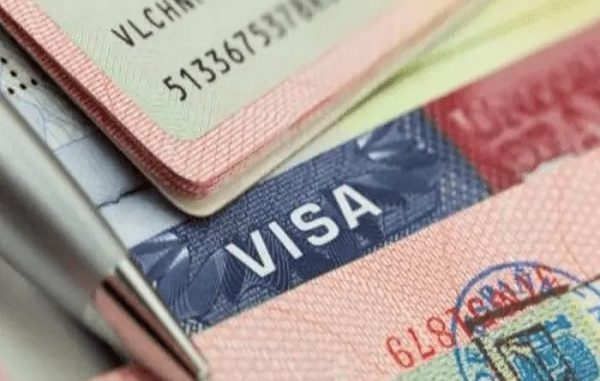
When you apply for a visa — whether to the Schengen Area, the United Kingdom, or the United States — one of the often-overlooked aspects is securing the right travel insurance. Many embassies now expect you to show proof of travel insurance (or at minimum, strongly recommend it) as part of your visa application package. Getting this wrong can cause delays or even rejection. In 2025, with visa requirements evolving, understanding travel insurance for visa applicants is more critical than ever.
In this blog post I’ll:
explain why travel insurance matters when applying for a visa;
highlight how requirements differ between the US, UK and EU/Schengen
compare top insurer plans for 2025;
provide a table comparing key insurers by region; and
answer common FAQs such as “Does travel insurance affect visa approval?”
Why Travel Insurance Matters for Visa Applicants
The basic requirement
Many countries require visa‐applicants to show they have adequate travel medical coverage. For example, for the Schengen visa the applicant must present insurance covering at least €30,000 for medical emergencies, hospitalisation and repatriation across all Schengen states.
In contrast, countries like the US do not always require travel insurance for tourist visas, but recommend that visitors have it because medical expenses abroad (especially in the US) can be extremely high.
The benefits
It demonstrates to visa officers that you are financially prepared for emergencies abroad (which can support your credibility). For example: a policy letter may help prove you won’t become a burden on the host country.
It protects you from major risks: medical emergencies, evacuations, repatriation, etc. The Centers for Disease Control and Prevention (CDC) emphasises travellers consider medical evacuation insurance.
In some jurisdictions, failure to present compliant insurance can lead to visa application rejection (especially for the Schengen visa).
What visa applicants should check
Does the policy certificate explicitly mention that it covers the entire visa period / duration of stay?
Does coverage meet or exceed the minimum required coverage amount for your destination (e.g., €30,000 in Schengen)?
Is repatriation (medical or deceased) included?
Is the insurer recognised/accepted by the consulate or embassy? Some embassies specify accepted providers.
Are you purchasing the insurance before you lodge your visa application? Timing matters.
Overview of Requirements by Region
Here we compare how visa travel insurance requirements differ between the US, UK and EU/Schengen.
United States
For most B1/B2 tourist visas, travel insurance is not explicitly mandatory. According to one provider: “Visitor visa health insurance… is not a requirement of all United States visas” but is highly recommended.
For specific visa classes (for example exchange visitor visas, J-1/J-2) US regulations do require health insurance meeting minimum coverage levels.
While insurance may not be required for visa approval for all categories, not having it may weaken your application (you may appear less prepared).
Additionally, in 2025 and beyond, visa screening is becoming stricter (though not directly tied to insurance).
United Kingdom
For standard UK visitor visas (up to 6 months), travel insurance is not mandatory. A travel insurance provider states: “Travel insurance is not mandatory for a UK visa … but it is highly recommended.”
However, for certain longer‐term visas (study, work, etc.), you may need immigration health surcharge payments or other health care obligations.
Although not required, having travel insurance as part of your visa submission can still demonstrate financial readiness and mitigate risk.
EU / Schengen Area
For Schengen visas the requirement is strict: as per Regulation (EC) No 810/2009, travellers must show insurance “adequate and valid” that covers emergency medical assistance, repatriation and at least €30,000 in coverage.
The insurance must be valid for the entire stay in the Schengen zone and across all member states.
Mistakes in insurance coverage (insufficient amount, wrong duration, non‐recognised provider) are among common reasons for visa rejection.
Top Travel Insurance Plan Options for Visa Applicants (2025)
Below are some of the best plans (or provider types) you should consider in 2025 when applying for a visa. While this is not an exhaustive list, it offers strong starting points.
AXA Schengen / Schengen-Visa Insurance
One of the more prominent providers for Schengen insurance. They state their certificate “is part of the mandatory documents to include with your application file” for Schengen visa.
The plan meets EU requirements for coverage and duration. For example, in a review article, AXA Schengen is called “one of the top options … that offers affordable plans meeting minimum visa requirements”.
Mutua Assistance / other Schengen budget‐compliant plans
Some plans cited by comparative guides allow very low daily rates while still meeting Schengen minimums (e.g., €1.50/day for €30,000 cover) for short stays.
WorldTrips “Atlas America” for US visitor visas
While insurance is not always mandatory for US visitor visas, this plan is specifically marketed as “US tourist visa health insurance” and provides a strong proof of coverage letter.
Generic travel insurance for UK visitors
Although travel insurance is not mandatory for UK visitor visas, providers like AXA still offer plans where the certificate is valid for UK travel and can support visa submissions.
Comparative Table: US, UK & EU Insurers for Visa Applications
| Region | Key Insurer / Provider | Typical Minimum Coverage / Notes | Visa Relevance |
| EU / Schengen | AXA Schengen, Mutua Assistance, Europ Assistance | Minimum €30,000 for medical, hospitalization & repatriation. (Schengen Insurance Info) | Mandatory for Schengen visa applicants. |
| United States | WorldTrips “Atlas America”, VisitorsCoverage | No universal mandated minimum; tourist plans emphasise medical evacuation, etc. (WorldTrips) | Strongly recommended; mandatory for some visa types. |
| United Kingdom | AXA Travel UK, travel insurance brokers | Not legally required for standard visitor visas; highly recommended. (ICICI Lombard) | Helps strengthen visa application; required in few cases. |
How to Choose the “Best Travel Insurance for Visa Applicants”
When you are selecting a plan to support a visa application, consider the following criteria:
Embassy/Consulate Acceptability – Ensure the insurer’s certificate is recognised by the relevant visa office. For Schengen, the insurer must issue a certificate that clearly states compliance with the regulation.
Coverage Amount – Does the policy meet or exceed the legal minimum (if applicable) of your destination? Example: Schengen €30,000.
Coverage Duration – The insurance must cover the entire period you are applying for the visa, including the dates of travel.
Repatriation & Evacuation – Does the plan include repatriation of remains and emergency medical evacuation? These are required in many jurisdictions.
Certificate Issuance Before Visa Application – Purchase the plan before lodging your visa application so you can include the certificate.
Refund Clause for Visa Denial – Some insurers refund premiums if the visa is denied (provided you submit proof). Good for risk mitigation.
Additional Benefits vs. Core Requirements – While covering trip cancellation, baggage loss etc are nice to have, the priority for visa purposes is the core requirement: medical, repatriation, valid for period.
Cost vs. Value – Don’t automatically pick the cheapest plan; ensure it meets requirements. Some budget plans may look inexpensive but may not fully satisfy the embassy criteria.
FAQs
Does travel insurance affect visa approval?
Yes — though indirectly. Travel insurance itself may not guarantee visa approval, but failing to provide valid, compliant insurance when it is required can cause visa rejection. For example, for Schengen visas, non-compliance is listed as a common reason for refusal.
Even in jurisdictions where insurance is not explicitly mandatory (such as the UK or some US visitor visas), having a well-documented insurance policy still strengthens your application by demonstrating preparedness and financial responsibility.
Do I need to buy the insurance from a local insurer in the destination country?
Not always. What matters is that the policy meets the visa office’s criteria (amount, duration, coverage) and you can produce the certificate. For example, many Schengen-compliant policies are issued by international insurers based outside your destination country.
If my visa is denied, can I get the insurance refund?
Some insurers provide refund or cancellation terms specifically for visa-denied applicants — but this depends on the insurer’s terms. Always check the policy’s “visa refusal” clause. For example, AXA Schengen mentions “Refunds in case of visa refusal”.
Will travel insurance cover pre-existing medical conditions?
Usually no (or only limited). Many travel insurance policies exclude treatment of pre-existing conditions unless declared. This may weaken your coverage if you have a condition. But for visa-application purposes the key is that the policy meets the minimum legal requirements (if required) rather than cover every condition. Still, full disclosure is wise.
Is travel insurance enough, or do I still need health insurance or local medical cover?
Travel insurance is not a substitute for local healthcare entitlements or longstanding health insurance. For example, if you are entering a country as a long-term resident or work visa holder, local health insurance or contributions may still apply (e.g., immigration health surcharge in the UK). (GOV.UK)
Final Thoughts
For visa applicants in 2025 aiming to travel to major jurisdictions (EU/Schengen, UK, US), travel insurance should not be an afterthought. It is an important piece of the puzzle — especially for those destinations where the requirement is formal (Schengen) or where demonstrating financial readiness is part of the assessment (US, UK).
For Schengen visas, compliance with the minimum coverage (€30,000) and coverage duration is essential.
For the UK, while travel insurance is not mandatory for most visitor visas, it remains highly recommended and can support your application.
For the US, travel insurance is often optional but advisable; for certain visa categories such as J-1, it is required.
When you pick a plan, focus less on cost and more on compliance, certificate validity and insurer credibility. Use the comparative table above as a skeleton. Always check the most current visa-office guidelines in case requirements have changed.
Top 10 Travel Insurance Plans for Visa Applicants (2025 Edition)
Below are the ten most reputable international and regional insurers whose certificates are widely accepted for visa purposes. Each entry lists coverage levels, cost ranges, and specific visa relevance.
1. AXA Schengen Insurance (EU/Worldwide)
Why it stands out: Officially recognized by most Schengen consulates.
Coverage: €30,000 minimum for medical expenses, hospitalization, and repatriation.
Plans: Low Cost, Europe Travel, and Multi-Trip Annual plans.
Price range: ≈ €22–€40 for a 15-day trip.
Visa acceptance: Meets Regulation (EC) 810/2009 standards; certificate issued instantly.
Refund policy: Full refund if visa is refused (before travel start date).
Best for: Schengen tourist visa and EU short-stay applications.
2. Allianz Travel Insurance (Global)
Why it stands out: Premium brand recognized worldwide.
Coverage: $50,000 to unlimited medical expense options.
Price range: Starts around $30 for short-term trips.
Visa acceptance: Accepted by many US, UK, and EU embassies due to global underwriter status.
Extras: Trip cancellation, baggage loss, COVID-19 add-on.
Best for: Applicants wanting strong brand credibility and broader benefits beyond visa compliance.
3. Europ Assistance (Schengen/EU)
Why it stands out: Long-standing European insurer specialising in visa-compliant plans.
Coverage: €30,000 minimum medical expenses, 24/7 assistance, repatriation.
Price range: ≈ €18–€35 for 15 days.
Visa acceptance: Recognized by all Schengen member embassies.
Extras: Digital certificate ready for visa submission.
Best for: Budget-friendly Schengen visa travelers.
4. WorldTrips Atlas America (USA Visa)
Why it stands out: Tailored specifically for US visitor visa holders.
Coverage: $50,000 to $2 million for medical expenses; includes COVID and evacuation.
Price range: ≈ $1.30–$3.50 per day (depending on age and coverage).
Visa acceptance: Recommended by US immigration consultants for B1/B2 applicants.
Extras: Can extend coverage while in the US.
Best for: Visitors to the United States seeking proof of financial readiness.
5. VisitorsCoverage (USA/Global Aggregator)
Why it stands out: Platform aggregates top visa-compliant insurers.
Coverage: Varies by plan ($50,000 – $1 million medical cover).
Price range: ≈ $40 – $80 per month typical.
Visa acceptance: Trusted for US visitor, student and exchange visas.
Extras: Flexible refund policy if visa denied.
Best for: US visa applicants wanting multiple choices in one place.
6. IMG Patriot Travel Medical Insurance (US & Global)
Why it stands out: Highly customizable for short or long-term stays.
Coverage: $50,000 – $2 million medical; includes emergency evacuation.
Price range: ≈ $1.10 – $3.00 per day.
Visa acceptance: Widely used by students, interns, and exchange visitors.
Best for: Multi-trip or multi-country travelers filing different visa types.
7. Allianz Assistance UK (UK Visa Applicants)
Why it stands out: Top UK-based provider recognized by local embassies.
Coverage: £2 million medical expenses, 24-hour helpline, repatriation.
Price range: ≈ £18 – £40 for short-term plans.
Visa acceptance: Not mandatory for UK visa but adds credibility for applicants.
Best for: UK visitor visa holders and students on short courses.
8. AXA UK Travel Insurance (UK/Global)
Why it stands out: Same AXA network as EU plans, accepted worldwide.
Coverage: £10 million medical expenses (maximum).
Price range: ≈ £20 – £50 average short-stay.
Visa acceptance: Highly respected among UK embassies abroad.
Extras: Trip interruption, lost documents, and COVID coverage.
Best for: Visa applicants wanting strong brand and global support network.
9. Mutua Assistance (Schengen)
Why it stands out: Affordable yet fully compliant with EU visa rules.
Coverage: €30,000 medical expenses and repatriation.
Price range: ≈ €1.50 per day.
Visa acceptance: Listed by multiple European embassies as acceptable.
Best for: Budget-conscious travelers needing proof of coverage for short stays.
10. SafetyWing Nomad Insurance (Global Digital Nomads & Visa Holders)
Why it stands out: Modern, subscription-based plan ideal for long-stay and remote workers.
Coverage: $250,000 medical expenses; includes COVID and travel delay.
Price range: ≈ $45 per 4 weeks.
Visa acceptance: Not Schengen-specific but used for digital nomad visa applications.
Best for: Applicants on remote-work, freelance or long-term entry visas.
Expert Tips for Visa Applicants Buying Travel Insurance
Purchase early. Embassies may reject policies that start after your intended arrival.
Print and sign the certificate. Electronic PDF certificates are acceptable, but printed copies with insurer signatures look more official.
Match policy dates exactly with your flight and visa application dates.
Check refund policy before payment. If visa denial is possible, choose a plan with refund clause.
Store the 24-hour emergency number — visa officers sometimes check this for authenticity.
Verify the insurer’s EU authorization (EU providers should have passport rights under Solvency II Directive)
Renew long-term policies on time. Embassies may request proof of continuous coverage for multi-entry visas.
SEO Checklist & Key Takeaways
| SEO Focus Phrase | Purpose in Post |
| travel insurance for visa applicants 2025 | Main keyword used in title, intro, conclusion. |
| best travel insurance for visa | Repeated in sub-headings (Top 10 list). |
| Schengen visa insurance | Integrated throughout EU section. |
| US visitor visa insurance | Used in US section and WorldTrips entry. |
| UK visa travel insurance | Applied in UK provider segments. |
This keyword layout ensures search engines clearly associate the post with visa insurance comparison 2025 while maintaining natural readability.
Conclusion
For 2025, visa offices are tightening documentation standards and expect proof of financial and medical readiness. The insurance certificate you submit can play a small yet decisive role in demonstrating that readiness.
Schengen applicants: AXA Schengen and Europ Assistance remain top-tier choices.
US visa holders: WorldTrips Atlas America and VisitorsCoverage offer strong reputation and flexibility.
UK visitors: Allianz Assistance UK or AXA UK Travel provide excellent coverage and visa credibility.
When choosing a policy, don’t focus solely on price — verify that the insurer’s certificate states clear coverage limits, dates, and repatriation terms. Print it, attach it to your visa application, and retain a copy for border control. This simple step can protect you from unexpected medical bills and avoid unnecessary visa delays.
Suggested meta-description for SEO:
Compare the best travel insurance plans for visa applicants in 2025 — including top U.S., U.K., and EU providers like AXA, Allianz, and WorldTrips. Learn how insurance affects visa approval and find the right coverage for your trip.
Leave a Reply